Subscribe to out newsletter today to receive latest news administrate cost effective for tactical data.

Let’s Stay In Touch

Shopping cart

Subtotal $0.00

View cartCheckout

Intracytoplasmic Sperm Injection

  • Home
  • Intracytoplasmic Sperm Injection

Intracytoplasmic Sperm Injection

Couple consulting a fertility specialist in Calicut about when to start fertility evaluation

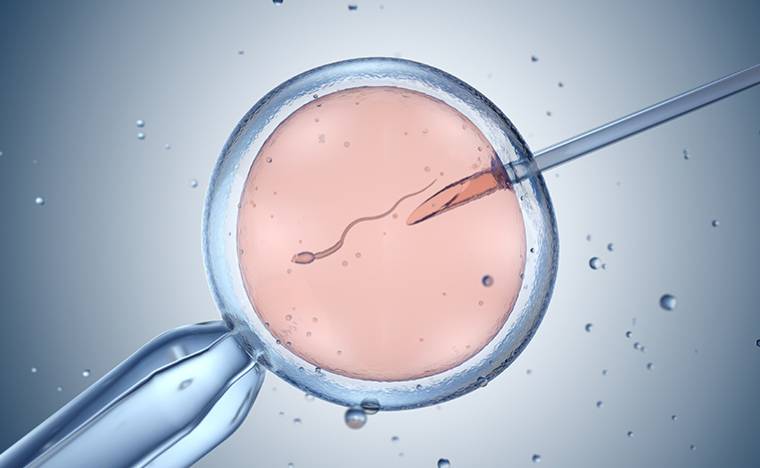
ICSI is a specialized technique in which a single sperm is injected into the centre of an egg. The technique is commonly used when the sperm to be used is not optimal,. Severe male factor infertility that do not want donor sperm insemination.

Suitable for couples with:

  • Low sperm count or concentration.

  • Poor sperm motility or morphology.

  • Previous IVF cycles with failed or low fertilization rates.

  • Low egg yield during egg retrieval.

What happens during IVF/ICSI treatment?

When the leading follicle reaches 17-22mm, the final preparation for the egg collection is done. This involves a hormone injection of human chorionic gonadotrophin (hCG) or gonadotrophin releasing hormone agonist (GnRHa) or dual trigger (hCG and GnRHa), which is given approximately 36 hours before the egg collection. The hCG and/or GnRHa injection stimulates the eggs to mature.

What is the Egg Collection procedure?

The IVF egg collection procedure is usually carried out under sedation. An ultrasound guided vaginal probe is used to locate the follicles and aspirate (empty) its contents. The eggs are then placed in culture in our embryology laboratory. It is difficult to determine the number of eggs that will be collected until the procedure. In rare cases, no eggs are collected.

Eggs are fertilised in the laboratory, where an embryologist injects a single sperm into each egg. If needed, sperm may be surgically retrieved.

How long do embryos take to develop?

The day after the sperm is mixed with the egg, embryologists will look for signs of fertilisation. The following day they will check to see if the embryo has divided (cleaved). Embryos are then allowed to develop and monitored in the laboratory until day 5 or 6

The embryologists monitor and grade the embryos very carefully. , the embryologist will select one embryo to be transferred back to the womb during an embryo transfer procedure. It is a painless and quick procedure. The embryo(s) are loaded into a fine catheter and this is placed into the womb and the embryo(s) are expelled. After the embryo transfer, the patient can resume her usual activities.

Two weeks after the embryo transfer, a pregnancy test is performed

What happens to embryos that are not transferred?

All good quality embryos that are not transferred will be frozen. This gives a very high chance of getting pregnant in a subsequent cycle without having to go through the whole IVF procedure again.