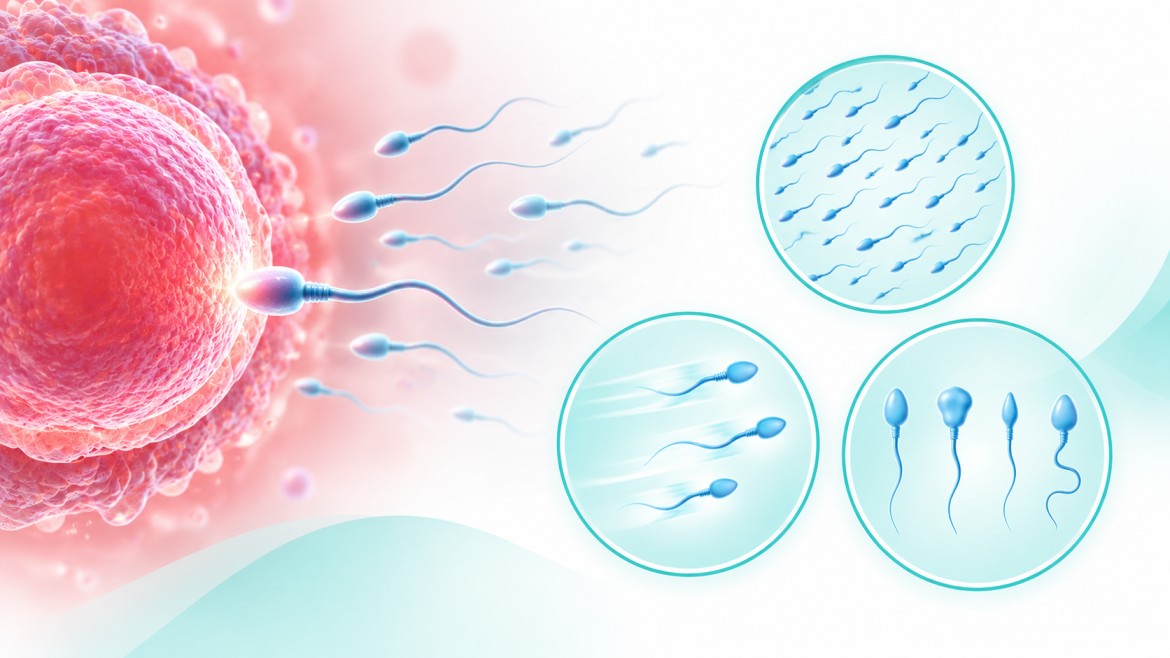
Male infertility refers to difficulties in achieving pregnancy due to problems with sperm production, quality, or reproductive function. At IQRAA Fertility Clinic, we provide comprehensive evaluation and treatment options to identify the underlying causes and improve male reproductive health. Treatment is planned according to each patient’s condition and fertility needs.
What Causes Male Infertility?
Male infertility may be associated with several factors, including:
Low sperm count or absence of sperm.
Poor sperm movement (motility).
Abnormal sperm shape (morphology).
Varicocele (enlarged veins around the testicles).
Blockages in the reproductive tract.
Lifestyle and certain medical conditions.
How Is Male Infertility Treated?
Treatment depends on the underlying cause and may include:
Medication: Treating specific hormonal imbalances or infections when identified.
Hormonal Treatment: Addressing hormone-related problems affecting sperm production.
Varicocele Treatment: Surgical correction when clinically indicated.
Sperm Retrieval: Procedures such as PESA, TESA, or micro-TESE may be considered when sperm is not present in the semen.
Assisted Reproductive Techniques: IUI, IVF, or ICSI may be recommended depending on sperm quality and the couple’s fertility assessment.
Why Is Early Evaluation Important?
Early evaluation helps identify potential fertility problems and allows specialists to recommend suitable treatment options. A semen analysis, medical history, hormonal tests, and physical examination may be used to understand the condition.
Frequently Asked Questions
1. Can male infertility be treated?
Many causes of male infertility can be treated or managed. The treatment depends on the underlying condition.
2. Does low sperm count mean infertility?
Not necessarily. Men with low sperm counts may still achieve pregnancy, depending on other sperm parameters and their partner’s fertility health.
3. Can lifestyle changes improve sperm quality?
Healthy eating, regular exercise, avoiding smoking, limiting alcohol, and maintaining a healthy weight may support sperm health.
4. Is surgery required for male infertility?
Not always. Surgery is recommended only for specific conditions, such as certain cases of varicocele or blocked reproductive passages.